An adventure retreat should do more than move guests between photogenic risks. The experience works when challenge is intentional, support is competent, logistics are clear, and recovery leaves enough energy to enjoy the next day. Bali offers natural variety, but the itinerary still needs restraint.
Variety creates the adventure
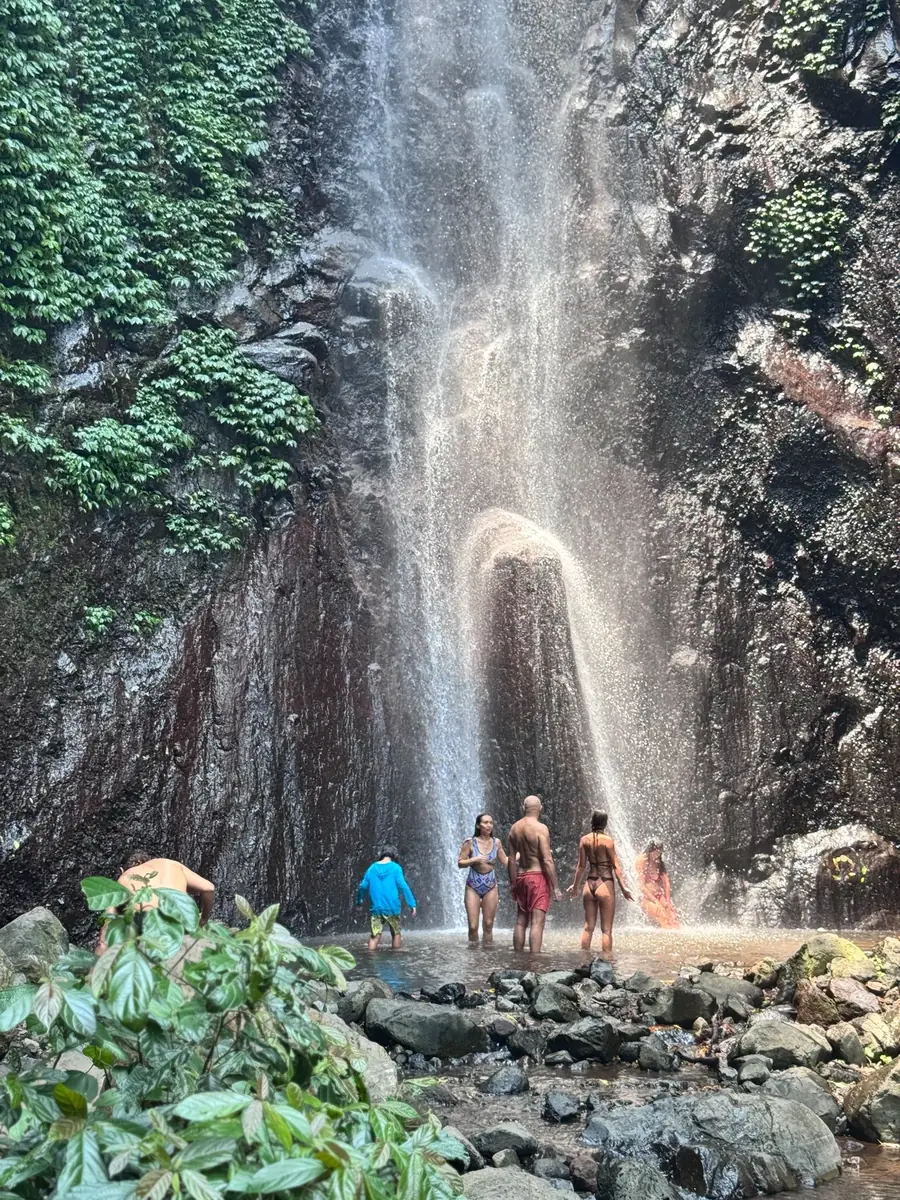
Mount Batur asks for pre-dawn endurance and confident footing. Waterfalls add steps, wet surfaces, and immersion in central-Bali landscapes. A boat to Nusa Lembongan changes the horizon, while snorkeling introduces open-water skill and real-time marine decisions. Culture, meals, and quieter exploration keep the week from becoming a sequence of exertion tests.
Ask for activity descriptions that state duration, terrain, equipment, climate, swimming expectations, and exit options. A broad label such as moderate is not enough. Providers should also explain which experiences depend on weather, water, volcanic access, or minimum ability.
Safety is not the opposite of adventure
Good operators use current conditions, qualified local knowledge, appropriate ratios, maintained equipment, communication plans, and conservative turnaround decisions. Guests contribute by preparing, disclosing relevant limitations through the proper private process, following instructions, and resisting pressure to continue for a photograph.
Insurance must cover the actual activities, not simply the destination. Rest, meals, hydration, sun protection, and sleep are operational parts of an active week, especially after long-haul travel.
The proposed Bali route
Healthy as Hell plans a small-group route through Ubud or central Bali and Nusa Lembongan with mountain, waterfall, hot-springs, beach, and snorkeling experiences. It is designed to feel active without becoming a boot camp. Exact activities, providers, thresholds, alternatives, dates, and prices remain unconfirmed until final agreements are complete.