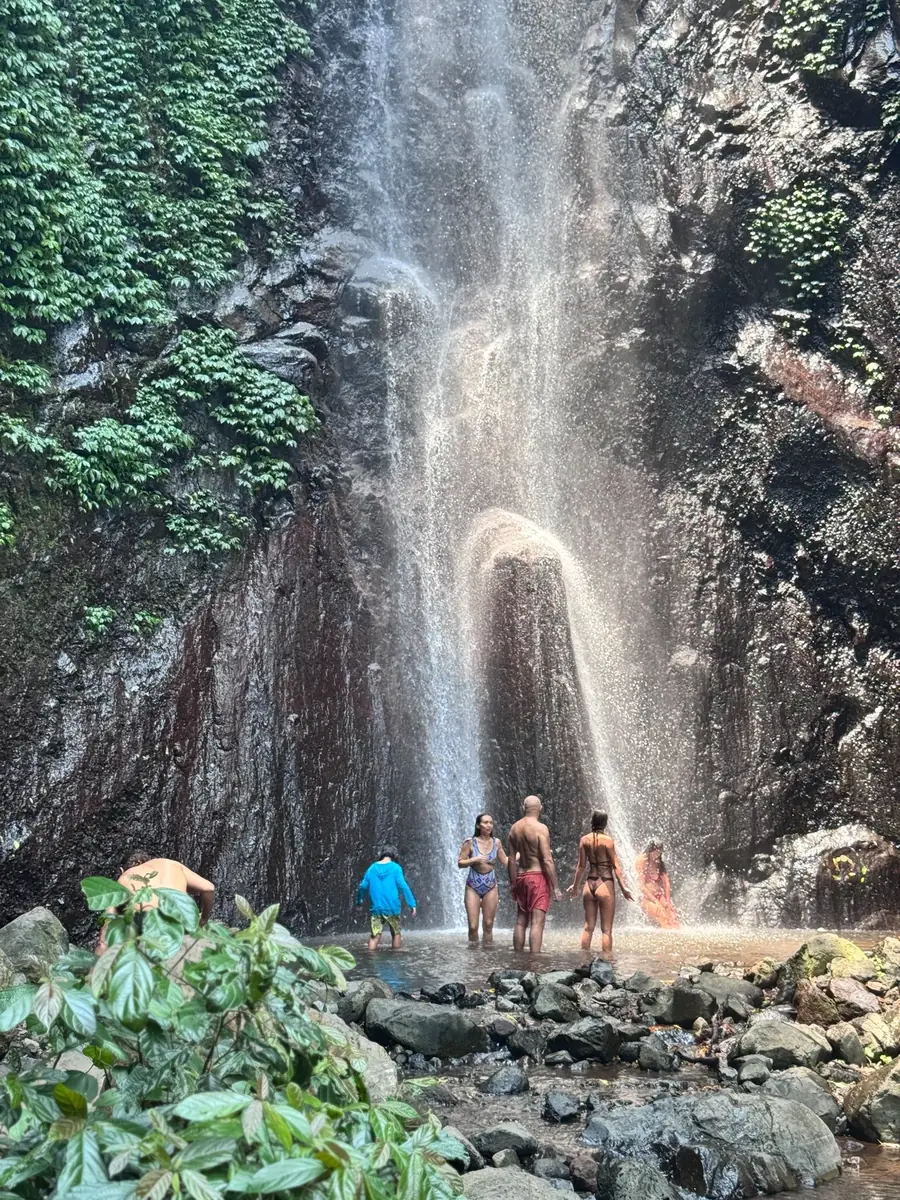
You do not need an athlete's training plan to enjoy active Bali, but basic capacity changes the trip. Waterfall stairs, uneven temple paths, boat entries, beach access, humidity, and the Mount Batur climb can stack up across a week. Preparation is about creating margin so you can notice the experience instead of spending every day surviving it.
Build the base first
Begin with consistent walking and gradually extend either time, frequency, or terrain. If Mount Batur is a goal, add hills, stairs, or treadmill incline rather than relying only on flat mileage. Increase in manageable steps and practice at the time of day and in the footwear you are likely to use when practical.
Two simple strength sessions per week can support the trip. Useful patterns include sitting and standing, stepping up, hinging, carrying, calf work, pulling, pushing, and trunk stability. Choose versions suited to your current ability. Pain, dizziness, breathlessness beyond expected effort, or medical concerns deserve qualified individual guidance, not internet bravado.
Train the details people forget
Balance and foot confidence matter on wet steps and loose ground. Practice controlled step-downs and standing balance near stable support. Break in shoes and test socks. Learn how your stomach handles breakfast before early activity, and rehearse carrying water without tying up both hands.
Heat acclimation should be conservative. Bali's humidity can make familiar work feel harder, and travel fatigue can magnify it. Pace by effort, use shade, hydrate, and let the first days be information rather than an exam.
A retreat, not a fitness test
The proposed Healthy as Hell schedule includes daily movement and active excursions, with Mount Batur as the clearest challenge. Final ability guidance, options, and activity waivers will come after providers are confirmed. Preparing well expands choice; it does not obligate anyone to ignore symptoms or participate when conditions are wrong.