A health retreat is not automatically a week of green juice, sunrise yoga, and whispered affirmations. Programs vary enormously. An active Bali retreat may combine movement, hikes, waterfalls, cultural visits, nourishing meals, ocean time, recovery, and guided conversations, with enough unplanned space to shower, nap, call home, or wander. Knowing the likely rhythm helps you choose a retreat that feels energizing rather than overwhelming—and prevents the word “wellness” from doing more work than the itinerary does.
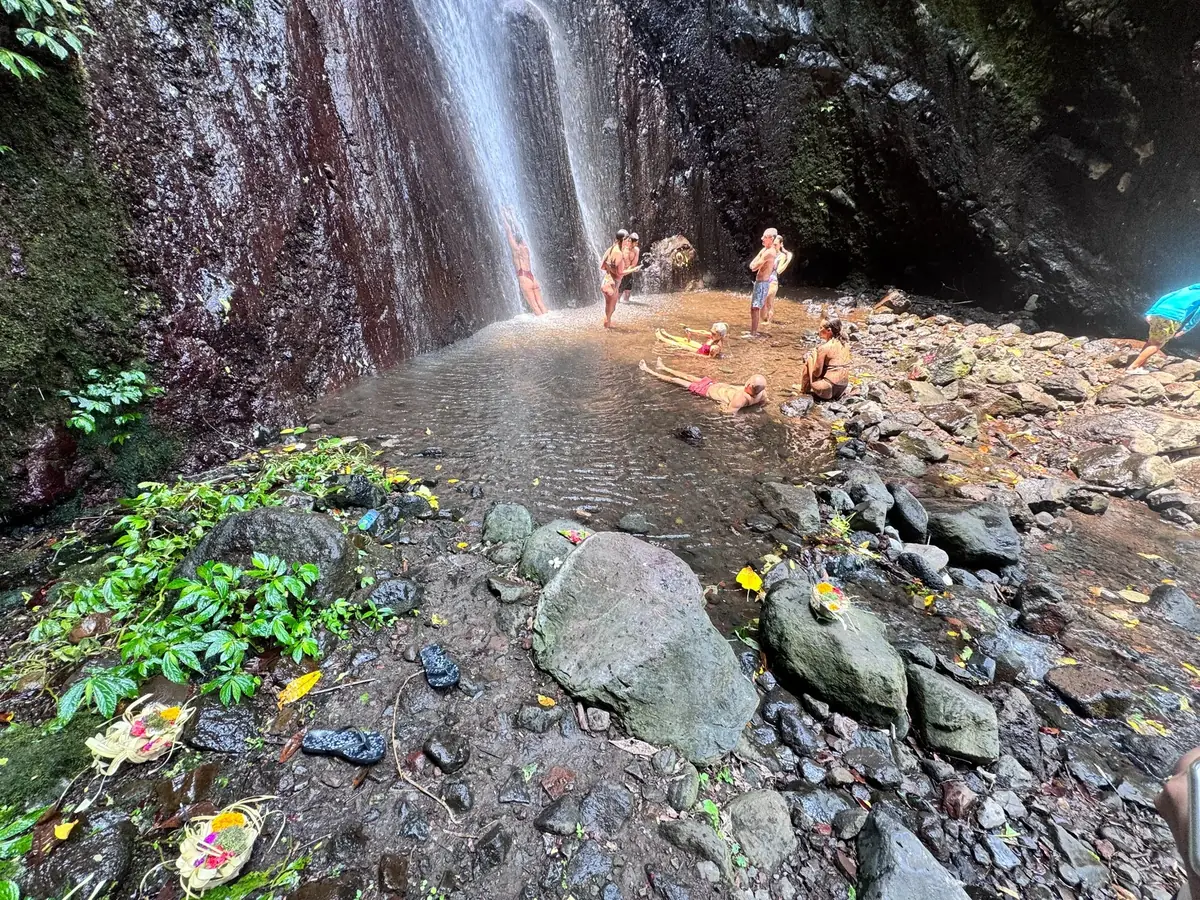
The day usually has an arc, not a minute-by-minute boot camp
Many retreat days begin with an optional or approachable movement session, followed by breakfast and the day’s main activity. On an adventure-focused Bali itinerary, that activity might be a waterfall outing, a temple visit, snorkeling, or a pre-dawn volcano hike. Later hours may shift toward a meal, pool or beach time, massage, journaling, or conversation. The exact order changes with location, weather, transport, and the needs of the group.
A thoughtful schedule alternates effort and recovery. Placing a demanding hike beside another demanding day can turn a holiday into an endurance test. Look for realistic transfer time, meal breaks, sleep opportunities, and contingency plans. “Packed with value” is not the same thing as packed without breathing room. You should also know which sessions are optional and which are essential to the group itinerary.
Movement should meet people where they are
Daily movement can mean mobility, stretching, an easy strength circuit, a walk, swimming, or preparation for the day ahead. It does not have to be a punishment workout. Good facilitation offers clear instruction, sensible modifications, and permission to opt out when an activity is optional. It also describes genuinely strenuous experiences in advance, including terrain, early starts, heat, water conditions, or long travel days.
Guests still carry responsibility for assessing their own readiness and following professional medical advice where relevant. Retreat leaders are not a substitute for a clinician. Before booking, ask what baseline ability is expected, what alternatives exist, and whether you need to train for a hike or swim. A clear answer is more reassuring than being told that every activity is “for everyone.”
Meals, conversations, and free time are part of the program
Nourishing food on a retreat should be satisfying, varied, and transparent—not a disguised crash diet. Some meals may be shared and included, while others may give guests freedom to explore. Ask how dietary needs are communicated, whether kitchens can safely accommodate serious allergies, and which drinks or snacks cost extra. No organizer should imply that a few days of eating a certain way will detoxify or cure the body.
Group discussions can turn a collection of excursions into a coherent experience. Topics might include routines, recovery, connection, or designing a practical 30-Day Reset. The tone matters: useful reflection invites participation without demanding personal disclosure. Free time matters too. Adults need room to process, rest, and make the experience their own rather than perform togetherness from breakfast through bedtime.
The group dynamic is real—and worth considering
Small-group travel means sharing vans, tables, decisions, delays, and memorable moments with people you may have met at the airport. That can create quick connection, but it also asks for flexibility. Strong hosts set expectations about punctuality, respectful behavior, room sharing, alcohol, photographs, and how schedule changes are communicated. They do not manufacture intimacy or promise that every guest will become a lifelong friend.
By the final day, a responsible retreat should help you transition home. That might include a personal plan, a list of practices worth keeping, and realistic encouragement for the first week back. The aim is not to preserve a holiday bubble forever. It is to carry home a clearer sense of what makes you feel alert, capable, connected, and alive.
- Expect plans to adapt to local conditions without losing the purpose of the day.
- Ask which meals, activities, transfers, and recovery services are included.
- Confirm the privacy and photography expectations before sharing personal stories.
- Choose a pace that leaves enough energy to enjoy Bali, not simply complete it.
Good questions, straight answers
Frequently asked questions
01Do I have to participate in every retreat activity?
Policies vary. Ask before booking which activities are optional, whether alternatives are available, and how opting out affects transport or supervision.
02Are Bali health retreats only for very fit people?
No, but activity levels differ. Read the physical requirements honestly and ask for concrete examples of distance, terrain, water skills, and pace rather than relying on labels like beginner-friendly.
03Will all meals be included?
Not always. A retreat should list included meals and explain when guests will buy their own food so you can budget and plan for dietary needs.
Keep exploring
Read this next
Go deeper on the destination