Packing for an active Bali retreat is an exercise in useful versatility. You need clothing for humid movement, secure shoes for uneven ground, something respectful for cultural sites, protection for rain and sun, and enough dry options to stay comfortable. You do not need a different outfit for every photograph. Pack around the actual itinerary, check what the retreat and accommodations provide, and leave a little space for damp gear, laundry delays, and the reality that tropical travel is not a catalog shoot.
Build a small clothing system
Choose lightweight pieces that work together and dry reasonably quickly: active tops, shorts or breathable pants, undergarments, sleepwear, swimwear, and one light long-sleeve layer. A thin rain shell is more useful during an outing than an umbrella that occupies a hand on steps. Bring a casual outfit for shared dinners, but check the tone before packing formal clothing. Laundry may be available, though timing and garment care vary.
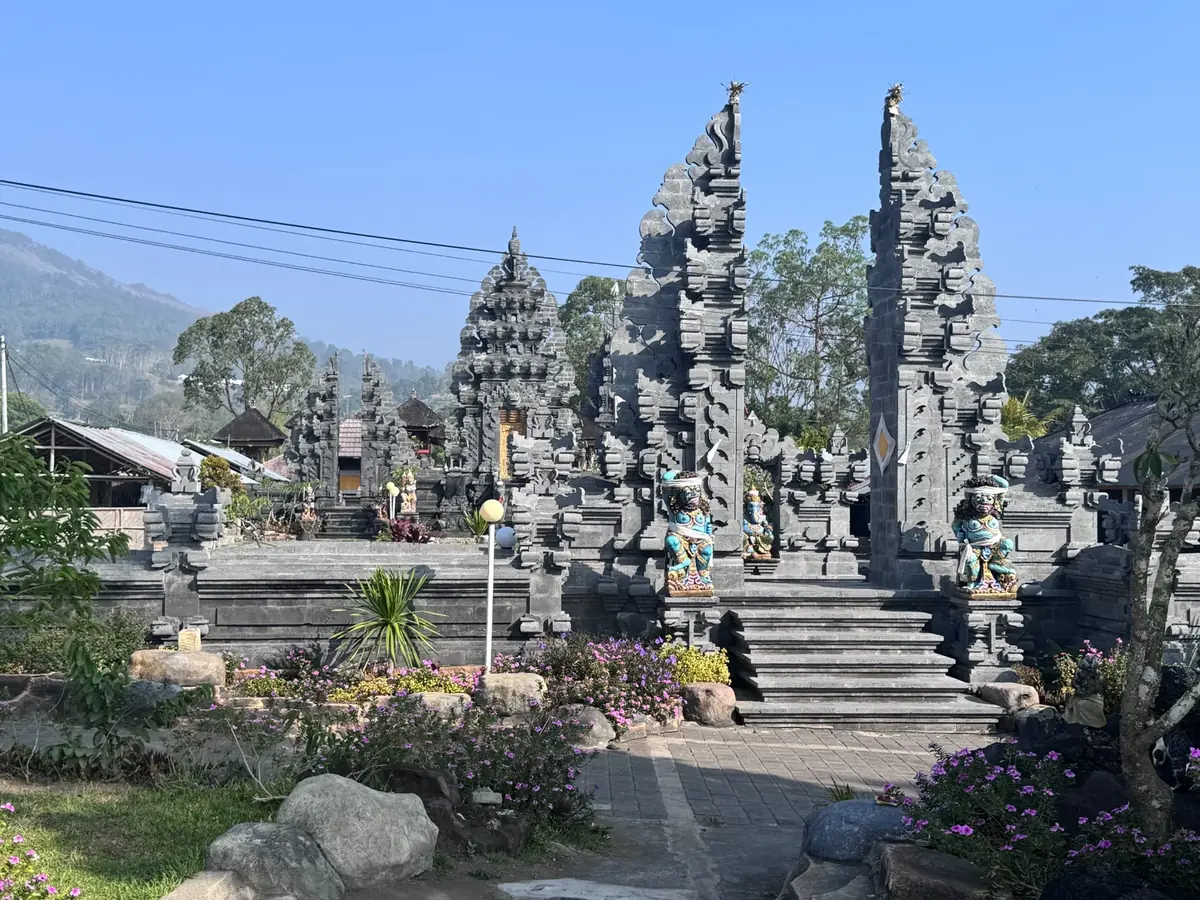
For temple or community visits, carry clothing that covers shoulders and knees when requested. Some sites provide or require a sarong; local rules and customs should be followed even when other visitors appear casual. A large lightweight scarf can be useful, but it is not a universal substitute for site-specific requirements. Comfortable, respectful, and repeatable beats bringing a costume version of “island style.”
Bring footwear for the ground you will meet
For Mount Batur or similar outings, use closed shoes with dependable traction that you have already worn. The right model depends on your feet, the route, and current conditions; a familiar trail shoe can be better than a brand-new heavy boot. Waterfalls may involve wet stone, mud, and stairs, so secure footwear matters there too. Flip-flops are convenient around a pool but are not all-purpose adventure shoes.
Pack socks that manage moisture and consider a spare pair in your day bag. Blister care is light, inexpensive insurance, especially if you are increasing your walking before the trip. If an operator recommends water shoes or provides snorkeling fins, confirm that before buying equipment. The goal is not maximum gear. It is avoiding the one preventable footwear problem that makes every later step annoying.
Protect your health, documents, and electronics
Carry prescribed medication in accordance with applicable rules, ideally in original labeled packaging, and bring enough for foreseeable delays after checking official guidance for entering Indonesia. Keep critical medication, travel documents, chargers, and one change of clothing in your carry-on. A waterproof pouch or dry bag helps around boats and waterfalls, though no bag should be trusted beyond its stated rating. Back up key documents securely and keep emergency contacts available offline.
Useful personal items may include broad-spectrum sunscreen, a hat, insect repellent, a reusable water bottle, basic toiletries, earplugs, and any familiar first-aid items you use appropriately. Product availability and brand selection may differ from home. If you have allergies or specific skin needs, bring tested products instead of experimenting mid-trip. Consult an appropriate travel-health professional for individual medical advice well before departure.
Pack the day bag you will actually carry
A comfortable daypack should hold water, rain protection, sun protection, a modesty layer, tissues, a small snack if permitted, and a protected phone. For a pre-dawn hike, add the light and layers recommended by the operator; do not assume your phone flashlight is the planned safety equipment. For snorkeling, bring swimwear, a cover-up, a towel only if it is not supplied, and a bag for wet items.
Before closing the suitcase, remove duplicates and confirm the organizer’s provided-items list. Leave irreplaceable jewelry and unnecessary valuables at home. Luggage limits can differ across airlines and boats, so verify your entire route rather than only the long-haul flight. The best-packed guest is not prepared for every imaginary scenario—just comfortable across the real ones.
- Breathable mix-and-match clothing plus a light warm layer
- Rain shell, sun hat, sunscreen, and insect repellent
- Broken-in shoes with traction, sandals, and useful socks
- Swimwear, wet bag, and any operator-requested water gear
- Documents, insurance details, medication, chargers, and adapters
- Compact daypack and reusable water bottle
Good questions, straight answers
Frequently asked questions
01Do I need hiking boots for Mount Batur?
Not always. You do need closed, comfortable footwear with useful traction. Ask the operator about the planned route and current conditions, and avoid breaking in new shoes on the hike.
02Should I bring a sarong to Bali?
A lightweight sarong can be convenient, while some cultural sites provide or require specific coverings. Follow the instructions at each site rather than assuming one item meets every rule.
03How much luggage should I bring on a retreat?
Bring only what you can manage through every transfer. Check airline, vehicle, and boat limits with the organizer because the most restrictive segment may determine what is practical.
Keep exploring
Read this next
Go deeper on the destination